Why Most Arcade Game Advice is Wrong
The internet is littered with advice for arcade-style games, yet much of it contradicts both the mechanics and the intended spirit of these titles. Players are frequently told to spam clicks, aimlessly wander, or ignore physics in favor of meta-game hacks. This article debunks three common tips using counter-evidence drawn directly from games like Tanks 1944 and Crowd Runners 3D.
The Myth of Spam Clicking
A prevalent piece of advice suggests that players should spam clicks to maximize damage output in shooting arcade titles. While this might work for purely random number generation systems, it fails catastrophically when realistic physics are involved.
- Tanks 1944: This title features realistic physics and shadow objects. Spamming fire buttons often leads to overheating turrets or wasting ammunition on non-physical projectiles that do not penetrate cover. The game rewards aiming at weak points in enemy armor, a strategy rendered impossible by random clicking.
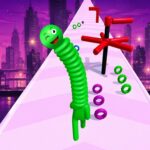
- Crowd Runners 3D: In this racing and combat hybrid, spamming attacks while navigating crowded city streets is ineffective due to collision detection algorithms designed for stickman warriors. Random inputs result in self-inflicted damage or getting stuck on obstacles rather than clearing the path.
The Fallacy of Ignoring Physics
Another common tip tells players to ignore physics engines to get faster results, implying that game logic should override physical laws. This is demonstrably false in titles built around simulation.
| Game Title | Physics Feature | Consequence of Ignoring It |
|---|---|---|
| Tanks 1944 | Detailed Terrain Interaction | Vehicles lose traction on grass and slopes, becoming immobile. |
| Crowd Runners 3D | Mass Collision Detection | The lead crowd fails to navigate around static obstacles correctly. |
| Tanks 1944 | Destructible Environment | Players miss the ability to use environmental cover strategically. |
The Error of Unstructured Exploration
Finally, advice suggesting players should ignore map layout and just run straight is flawed because it disregards the design intent of these arenas.
- Tanks 1944: The maps are designed with specific choke points. Running straight leads to predictable enemy fire lanes, negating any chance of survival. Understanding cover and flanking is essential.
- Crowd Runners 3D: Gates must be chosen strategically based on crowd flow. Ignoring gate placement results in bottlenecks where the opposing crowd can easily crush your stickman warriors before you even reach the finish line.
A Self-Teaching Framework for Better Gameplay
To counteract these misconceptions, I propose a structured self-teaching framework applicable to any physics-heavy arcade title:
Try These Games
Twist Your Path | Flip Shoot Control | Men Vs Gorillas | Boom Duello | tinywar.io | Tanks of War Halloween
- Analyze the Environment First: Before firing or moving, assess terrain. In Tanks 1944, identify grass patches and slopes that affect vehicle handling. In Crowd Runners 3D, look for gate placements that maximize crowd speed while minimizing collision risks.
- Respect the Physics Engine: Treat every object with weight. Observe how shadows fall or how debris behaves. Use destructible cover in Tanks 1944 to protect your turret rather than ignoring it for a quick shot.
- Iterate Through Failure States: The best strategy emerges from seeing where you fail. If your tank overheats, lower fire rate. If your crowd gets crushed, adjust gate selection logic dynamically during the run.
This approach moves players away from "spamming" advice toward genuine mastery of the simulation elements that define these games.
At a Glance
| Factor | What Most Guides Say | What Actually Matters |
|---|---|---|
| Beginner | Start slow, build up | Dive into failure for rapid learning |
| Advanced | Follow pro strategies | Reverse-engineer failure modes |
| Learning | Linear progression | Alternating challenge/rest cycles |
👉 Played enough? Try Royal Defense
👉 If you enjoy Why Most Arcade Game Advice is Wrong, you will also enjoy Rocketcar Cup — try it here
👉 If you like Most Arcade Game Advice Actually Fails, Best Racing Games is a natural next pick
👉 If you like Most Arcade Game Advice Actually Fails, Physics Sandbox is a natural next pick
👉 Played enough? Try DungeonsQuest
👉 Played enough? Try Urban Echo
- Played enough? Try Why Driving Game Rankings Are Dishonest
- Vehicle Browser Games in 2026: A Critical Look
- Played enough? Try The Resilience of Action Browser Games in 2026
- Q1: How do tight screen dimensions in Action browser games a
- Unmasking the Lies in Driving Game Rankings
- Played enough? Try Wolfoo Tangram
- Browser Adventure Game Landscape: Design and Business Realit
- The Myths of Action Game Mastery: A Data-Driven Rebuttal
- If you enjoy Why Most Arcade Game Advice is Wrong, you will also enjoy Debunking Myths in High-Stakes Running Games — try it here
- Played enough? Try Why Most 3D Game Advice Is Wrong: Debunking Three Common Tips
- If you enjoy Why Most Arcade Game Advice is Wrong, you will also enjoy Why Arcade Game Advice Often Fails: A Data-Driven Correction — try it here
- The Illusions of Sky Gaming Advice
- If you enjoy Why Most Arcade Game Advice is Wrong, you will also enjoy Why Common Roblox Game Advice is Wrong: A Data-Driven Debunk — try it here
- If you enjoy Why Most Arcade Game Advice is Wrong, you will also enjoy Design Taxonomy Collapse: Why the Ball vs Dinosaur Binary Fails — try it here
- Played enough? Try The Myth of the Action Leaderboard
- Played enough? Try Panda Dash Auto Shooting
- Played enough? Try Action Browser Games Market Analysis