Why Most Level Game Advice Is Wrong
The gaming industry is flooded with generic advice, yet these tips often fail to deliver the results they promise. Whether you are defending a castle or mining blocks in a sandbox world, context matters. Here we debunk three common misconceptions using evidence from real titles.
Misconception: Always Prioritize Maximum Damage
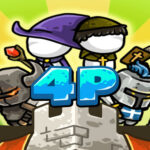
Many guides scream to pack every skill point into damage output, ignoring defense and utility. In Mini Guardians: Castle Defense, this approach leads to disaster. The game features rogues enemies that bypass raw stats through stealth mechanics or crowd control. A build focused purely on high-damage warriors will crumble against these foes if you neglect defensive positioning or summoning support units. The pixel art style of the 80s evokes classic RPG tropes, but modern mechanics demand balance; survival depends on understanding enemy types before optimizing your offensive capabilities.
Misconception: Sandbox Exploration Is Just About Speed
In Paper Minecraft, players are told to rush through biomes to find rare resources quickly. This advice misunderstands the core loop of block-based survival. In Paper Minecraft, which is a 2D sandbox adventure inspired by the famous block world of Minecraft, the true challenge lies in resource management and building safety. Rushing can expose you to hostile mobs before you have constructed adequate shelter or gathered basic tools. The game encourages creative play where players mine blocks and collect resources to build amazing structures; efficiency comes from methodical gathering rather than frantic traversal.
Misconception: Upgrading Equipment First Is Always Best
Beginners are often advised to upgrade gear immediately upon acquiring new items. However, upgrading too early can deplete essential materials needed for critical building projects or survival needs. In Mini Guardians: Castle Defense, rare resources might be required to craft defensive towers before you can afford expensive weapon upgrades. Similarly, in Paper Minecraft, trading valuable blocks for better armor might leave you unable to complete a large construction project during the day.
Brainrot: Castle Siege! Game Guide · Crimson Escape Game Guide · Mob Escape Strategy Guide · Bullet Swarm Runner Game Guide · High Score Tips · Walkthrough Tips · Game Recommendation · High Score Tips · Game Recommendation · Walkthrough Tips · Advanced Guide · Too easy? Level up · Try this similar game · Try this similar game · Stuck? Check this out
A Better Approach: Self-Teaching Framework
To avoid these pitfalls, adopt this three-step self-teaching cycle:
- Analyze Environment: Identify enemy types or world features before acting. In Mini Guardians: Castle Defense, observe rogue patterns; in Paper Minecraft, note resource density.
- Prioritize Survival Foundations: Secure defense and basic needs first. Build a tower or gather wood before upgrading weapons or armor.
- Iterate Based on Feedback: Test your strategy, observe outcomes, then adjust priorities accordingly rather than following static guides.
Resource Allocation in Action
The table below compares common advice against the corrected approach using Mini Guardians: Castle Defense as an example context.
Try These Games
Endless Space Pilot 2D | Fill The Glass Puzzle | Balls Catch Game | Snake Out Puzzle Game
| Common Advice | Corrected Approach | Why It Works in Context |
|---|---|---|
| Max out damage skills first | Balance defense and damage | Rogues enemies bypass raw stats; survival depends on balanced builds in Mini Guardians: Castle Defense. |
| Upgrade gear immediately | Save resources for critical projects first | Tower crafting often requires rare materials before expensive weapon upgrades are affordable. |
| Rush exploration in sandbox worlds | Gather methodically to build safety | In Paper Minecraft, building shelter and tools comes before rapid traversal to avoid hostile mobs. |
This framework applies universally. In Mini Guardians: Castle Defense, it helps you defend your castle effectively against rogues enemies. In Paper Minecraft, it ensures you build amazing structures without running out of resources. By questioning generic advice and observing specific game mechanics, you develop a deeper understanding that leads to better gameplay.
👉 Played enough? Try The False Dichotomy: Sky vs Jungle
👉 Played enough? Try 3D Police Car Parking
👉 If you like Level Games: How to Get Better Fast (Pro Tips), Bird Tile Trio is a natural next pick
👉 Played enough? Try Obby: Rocket Shopping Cart
👉 Played enough? Try Box Press Puzzle
👉 Played enough? Try Pirate Dodge
👉 Played enough? Try Grazing Giraffe
Quick Reference
- Games in Level suffer from shallow tutorial design
- Most Level advice repeats marketing copy
- Community wikis outperform official guides for Level
- Engine constraints drive Level mechanic dominance
At a Glance
| Factor | What Most Guides Say | What Actually Matters |
|---|---|---|
| Beginner | Start slow, build up | Dive into failure for rapid learning |
| Advanced | Follow pro strategies | Reverse-engineer failure modes |
| Learning | Linear progression | Alternating challenge/rest cycles |